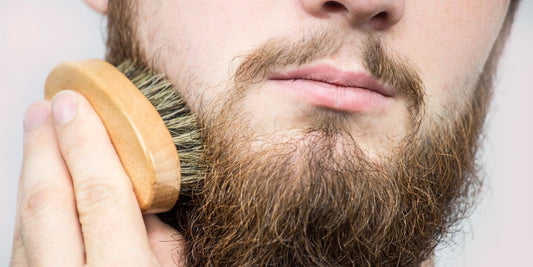

Is your beard not growing as you'd like? Or are you noticing bald patches where they weren't there before? Constant stress could be the culprit. Chronic stress has a greater impact on your body than you think—and yes, that includes your beard growth . In this article, you'll discover how stress can affect your beard, the mechanisms at play, and what you can do to minimize the damage.
The impact of stress on your hormones (and therefore your beard)
Stress activates the familiar fight-or-flight response in your body. This releases the stress hormone cortisol . Cortisol is beneficial in small doses, but with chronic stress, this hormone remains elevated for extended periods – and that has consequences.
Elevated cortisol levels disrupt the balance of other hormones, such as testosterone and DHT (dihydrotestosterone) . These hormones are essential for healthy beard growth . When they decline, hair growth slows or even stops altogether. In some cases, this leads to alopecia barbae , where small bald patches appear in your beard.
Stress causes poor blood circulation to hair follicles
Another factor is reduced blood circulation. Stress causes your blood vessels to constrict, reducing the amount of oxygen and nutrients reaching your hair follicles. The result? Your beard hair grows thinner, slower, or falls out sooner. This effect is particularly noticeable during prolonged stressful situations—such as work pressure, financial worries, or relationship problems.
Poor lifestyle due to stress has a double negative effect
Stress also often makes you take worse care of yourself. You sleep less, eat less healthily, and perhaps neglect your beard care. A deficiency in vitamins like biotin, vitamin D, and zinc can further exacerbate the situation. And dirty, unkempt skin under your beard isn't exactly conducive to growth.

Bald spots in your beard due to stress? That's possible.
Stress can also trigger autoimmune reactions , such as alopecia areata , where your immune system attacks hair follicles. This causes sudden bald patches in your beard . While this doesn't happen to everyone, it's certainly not uncommon. The good news? In many cases, this can be temporary , especially if you address the stress.
What can you do to stop stress-related beard problems?
It's important to work on both your stress levels and your beard care. Some practical tips:
- Exercise regularly : exercise lowers cortisol and increases testosterone .
- Get enough sleep : 7–8 hours per night helps your body recover.
- Use beard oil and care for your skin: this stimulates blood circulation.
- Eat nutritiously : choose proteins, healthy fats and vitamin-rich foods .
- Try stress management techniques : such as meditation, breathing exercises , or a walk in nature.
A healthy beard starts from within. While you can't completely avoid stress , you can learn to manage it better. By taking good care of yourself and your beard, you give your facial hair the best chance to grow full and healthy .
Want to know which products can support your beard during stressful times? Browse our range of beard oils , balms, and care kits specially formulated for optimal beard growth.